



Power tools generate intense mechanical shaking that places immense physical stress on workers during daily construction and manufacturing routines. Continuous exposure to severe tool vibration often leads to debilitating nerve damage and chronic joint disorders over extended periods.
Traditional heavy machinery lacked adequate shock absorption, forcing laborers to endure uncomfortable physical strain to complete daily jobsite assignments.
Modern engineering innovations now incorporate advanced dampening materials and balanced motor designs to minimize harmful vibration exposure significantly. Equipping your work crew with anti-vibration tools drastically reduces physical fatigue and keeps overall operations running smoothly without costly delays.
Investing in vibration reduction technology protects worker health while boosting overall jobsite productivity and long-term team morale. Ergonomic tool handles, internal counterweights, isolated grip systems, and specialized anti-vibration gloves form an effective defense shield against mechanical impacts.
Preventing severe hand-arm vibration injuries keeps project schedules intact and avoids expensive medical leaves or workers’ compensation claims.
Every proactive contractor must prioritize low-vibration power tools to build a safer work environment across all operational sites. Read on to discover how vibration reduction technology protects worker health, enhances operational comfort, and prevents severe workplace injuries.
Understanding Hand Arm Vibration Syndrome and Health Risks
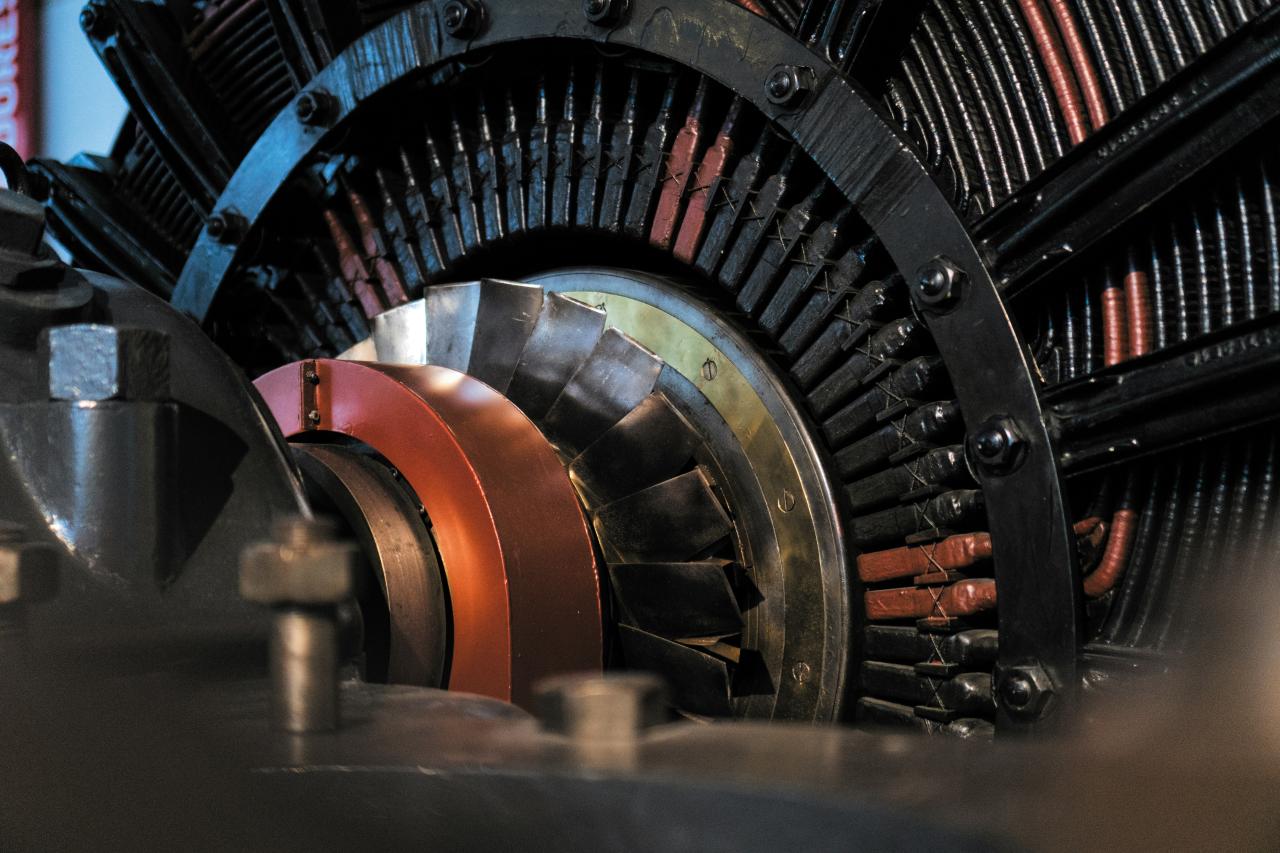
Operating heavy jackhammers, grinding wheels, and pneumatic drills exposes hands and arms to repetitive high-frequency mechanical shocks every single day.
Prolonged vibration exposure damages delicate blood vessels and sensory nerves, causing a painful condition known as hand-arm vibration syndrome. Workers suffering from this chronic condition experience permanent numbness, reduced grip strength, and severe whitening of their fingers in cold conditions.
Early symptoms often appear as mild tingling sensations in fingertips after finishing long equipment operation shifts on active jobsites. Upgrading outdated industrial power tools to modern low-vibration models prevents irreversible nerve damage and keeps workers healthy throughout their careers.
Track daily tool exposure times carefully and rotate work tasks regularly among crew members to prevent continuous vibration buildup. Giving workers adequate rest breaks away from vibrating machinery allows blood circulation to recover naturally throughout long shifts.
Innovative Internal Counterweights and Motor Balance Designs
Modern power tool manufacturers engineer internal balance shafts and dynamic counterweights that move opposite to oscillating tool bits during heavy operation.
These intelligent mechanical counterweights absorb aggressive kinetic energy before vibration travels outward through the tool housing into the operator’s hands. Balanced brushless motors run remarkably smooth, producing far less mechanical friction and violent shaking than older brushed tool alternatives.
Decreasing internal vibration preserves tool components, extending the overall service life of expensive industrial power equipment significantly. Delivering smooth cutting and drilling performance allows operators to maintain pinpoint control over heavy power tools without exerting excessive muscle force.
Always check internal drive gears and motor mounts during routine maintenance sessions to keep balancing systems functioning at peak efficiency. Well-lubricated motor assemblies vibrate significantly less, keeping your power tools smooth, comfortable, and safe to operate daily.
Isolated Ergonomic Handles and Shock Absorbing Grips
Tool manufacturers now separate outer handles from inner motor housings using flexible rubber mounts, steel springs, and heavy-duty elastomeric dampeners.
These isolated handle designs decouple the operator’s hands from intense mechanical vibration, creating a cushioned physical barrier during heavy demolition work. Soft rubber grip overmolds absorb high-frequency chatter while giving workers a firm, non-slip holding surface under tough working conditions.
Providing ergonomic grip handles reduces hand fatigue and prevents painful wrist strain during long overhead drilling tasks across construction sites. Comfortable handles allow workers to maintain firm tool control without squeezing the grips excessively, which further minimizes vibration transmission.
Replace worn auxiliary handle mounts and cracked rubber grips immediately to maintain maximum shock absorption capabilities on active job sites. Fresh handle dampeners prevent raw motor vibrations from reaching hands, making heavy power tools feel noticeably lighter and easier to control.
Specialized Anti Vibration Gloves and Protective Workwear
Wearing specialized anti-vibration work gloves provides a vital secondary defense line against high-frequency tool shaking during demanding manual tasks.
Advanced safety gloves feature palm layers filled with thick shock-absorbing gel or lightweight air-cushioned synthetic padding. These protective layers disperse mechanical impact forces evenly across the palm, preventing concentrated pressure points on delicate hand nerves and blood vessels.
Using certified anti-vibration gloves keeps worker hands warm and dry, which promotes healthy blood circulation in chilly outdoor work environments. Combining protective safety gloves with low-vibration tools provides complete physical protection against painful long-term joint and nerve injuries.
Select certified anti-vibration gloves that maintain finger flexibility so workers can operate trigger switches and handle small fasteners easily. Flexible protective gloves eliminate the temptation for workers to remove safety gear when switching between heavy drilling and fine assembly work.
Smart Monitoring Wearables and Exposure Limit Tracking
Advanced jobsite safety management utilizes small wearable sensors attached directly to worker wrists or tool handles to measure vibration exposure continuously.
These intelligent digital monitors track real-time vibration levels and calculate cumulative daily dosage metrics based on official safety standards. Automated sensor alerts notify workers and site supervisors immediately when daily vibration exposure limits approach unsafe thresholds.
Collecting accurate exposure data helps safety managers redesign work routines and replace high-vibration tools before injuries occur. Integrating smart wearable tracking technology transforms reactive safety policies into proactive health management systems that protect workers every day.
Review daily wearable sensor data with your team during morning safety huddles to highlight high-vibration tasks that need tool upgrades. Sharing exposure metrics builds strong worker awareness, encouraging everyone to adopt safer tool handling practices voluntarily throughout their daily shifts.
Conclusion
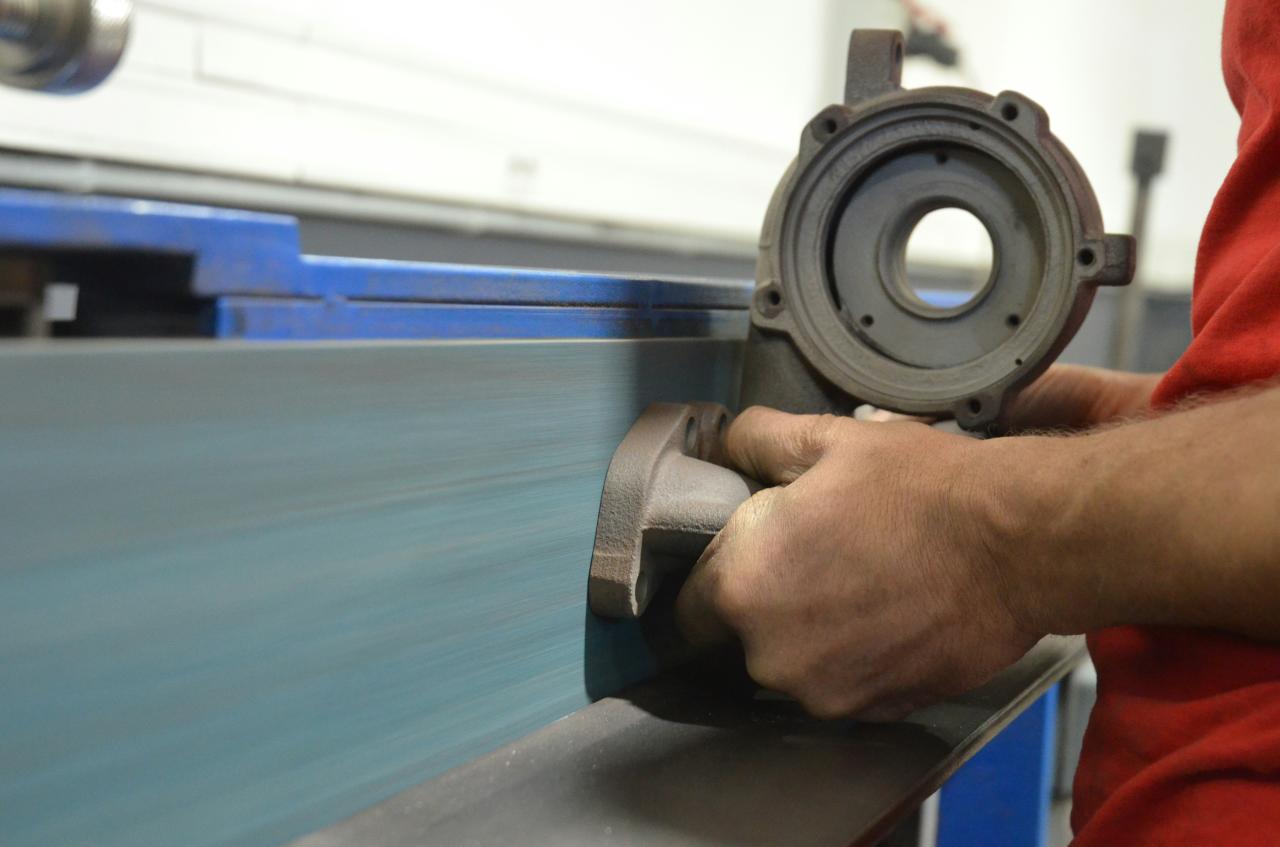
Adopting vibration reduction technology across industrial jobsites is essential for shielding workers from severe, life-altering nerve and joint injuries. Modern low-vibration power tools, isolated ergonomic handles, and specialized protective gloves protect hands from continuous mechanical shocks effortlessly.
Implementing smart wearable exposure monitors empowers site managers to track daily vibration levels and prevent overexposure before health issues arise.
Investing in advanced shock-absorbing equipment reduces worker fatigue, minimizes medical leaves, and keeps complex construction projects running smoothly on schedule. Prioritizing worker physical health creates a supportive, high-performing environment that attracts and retains skilled industrial talent long term.
Upgrading your jobsite equipment with low-vibration tools transforms demanding physical tasks into safer, far more manageable daily operations. Smooth power tools require less physical exertion from workers, boosting operational precision and improving overall work quality across all project phases.
Simple habits like inspecting handle mounts regularly and wearing certified anti-vibration gloves maximize protection against subtle long-term nerve damage.
Combining top-quality low-vibration machinery with regular work breaks builds a resilient workforce capable of achieving outstanding construction results. Modernize your tool inventory today to protect your valuable crew, eliminate painful vibration injuries, and secure long-term operational success.


