

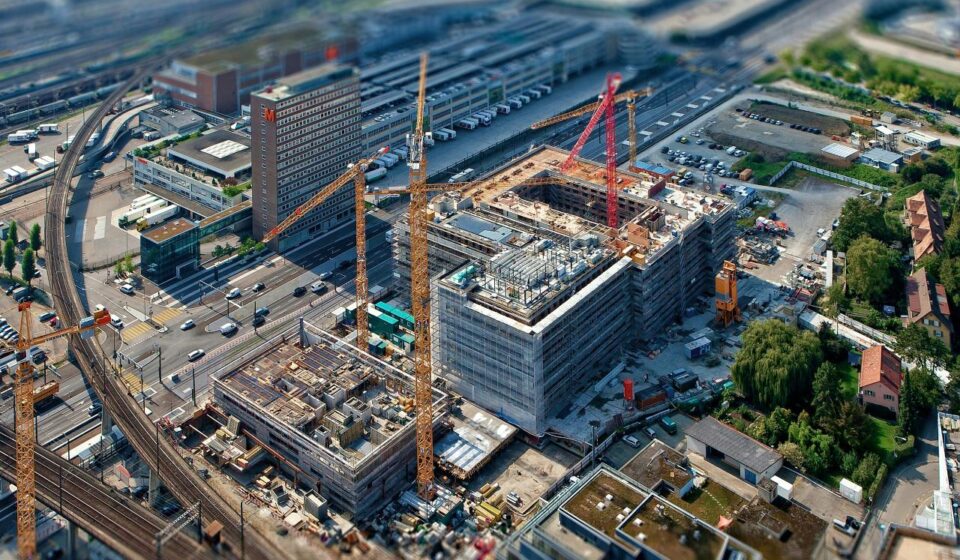

Modern construction sites and industrial workspaces present numerous daily hazards to workers operating heavy machinery and complex tools. Protecting workers from falling debris, hazardous fumes, sharp materials, and high noise levels requires reliable personal safety gear.
Traditional protective equipment often failed to provide adequate comfort, causing workers to skip essential safety precautions during demanding work shifts.
Today, advanced jobsite safety equipment combines durable high-tech materials with lightweight ergonomic designs to maximize user comfort. Equipping your work crew with top-grade protective gear drastically reduces workplace accidents and keeps operations running smoothly without delays.
Investing in modern safety gear protects workers while improving overall jobsite productivity and team morale. High-visibility apparel, impact-resistant helmets, smart wearable monitors, and advanced respiratory protection create a comprehensive safety shield for every crew member.
Preventing severe injuries keeps project timelines intact and avoids costly medical leaves or legal liabilities for contracting companies.
Every modern contractor must prioritize high-quality protective equipment to foster a culture of safety across every active construction project. Read on to explore how advanced jobsite safety gear mitigates hazards, prevents severe injuries, and keeps workers safe every day.
High Impact Helmets and Head Protection Innovations
Head injuries remain among the most severe hazards on active construction sites, often resulting from falling tools or structural debris.
Modern safety helmets feature advanced shock-absorbing liners and chin straps that keep the helmet securely in place during unexpected falls. These advanced helmets distribute impact forces evenly across the shell, significantly reducing the risk of severe traumatic brain injuries.
Integrated mounting slots allow workers to attach face shields, ear muffs, and headlamps directly to their helmets without compromising structural integrity. Upgrading traditional hard hats to modern safety helmets ensures maximum head protection for workers operating in high-risk environments.
Choose helmets with adjustable ratcheting suspension systems and breathable moisture-wicking liners to ensure a snug, comfortable fit. A properly fitted helmet stays stable when leaning over structural edges, eliminating the temptation to remove head protection while working.
Ergonomic Eye and Face Protection Systems
Flying wood chips, concrete dust, chemical splashes, and metal sparks pose constant threats to worker vision on industrial jobsites.
Advanced protective eyewear utilizes anti-fog coatings, scratch-resistant polycarbonate lenses, and soft rubber seals to deliver clear, uninterrupted vision. Full-face shields provide an extra layer of defense when operating high-speed grinding wheels or handling hazardous liquid chemicals.
Modern safety glasses offer comfortable wrap-around frames that block debris from entering through side angles without obscuring peripheral vision. Tinted and photochromic lenses protect workers from harmful ultraviolet rays during long outdoor construction shifts under direct sunlight.
Keep microfiber cleaning cloths and anti-fog sprays near tool stations so workers can clean dirty lenses quickly. Clean, clear safety glasses prevent workers from pushing goggles up onto their foreheads when performing detailed cutting tasks.
Advanced Respiratory Protection for Toxic Dust Control
Inhaling fine silica dust, toxic paint fumes, and airborne chemical particles causes long-term respiratory diseases among industrial and construction workers.
Modern particulate respirators and powered air-purifying systems filter out harmful microscopic contaminants before they enter the lungs. Soft silicone face seals conform tightly to facial contours, preventing hazardous leaks while maintaining comfortable skin contact during long shifts.
Integrated exhalation valves release trapped heat and humidity quickly, keeping the interior of the mask cool and dry. Providing clean, breathable air protects worker lung health and prevents chronic occupational illnesses over years of jobsite exposure.
Perform user seal checks every morning before entering dusty work areas to verify that your respirator fits tightly. Replacing filter cartridges regularly ensures smooth airflow and maintains peak filtration efficiency against dangerous microscopic dust particles.
Cut Resistant Gloves and Hand Safety Solutions
Manual labor exposes hands to sharp sheet metal, abrasive concrete blocks, heavy pinch points, and severe vibration from power tools.
Advanced cut-resistant gloves utilize synthetic fiber weaves that shield hands from accidental knife slips without sacrificing manual dexterity. Impact-reducing TPR padding on the back of the hand absorbs sudden blows from dropped tools or shifting heavy materials.
Specialized grip coatings on palms and fingers allow workers to handle oily or wet components securely without dropping heavy tools. Protecting hands from cuts and crush injuries preserves worker capability and prevents painful downtime across all construction trades.
Select cut-resistance levels based on specific site tasks, reserving high-grade cut-resistant gloves for handling sharp glass or sheet metal. Matching glove flexibility to task demands prevents hand fatigue and allows workers to grip small fasteners easily.
High Visibility Gear and Smart Wearable Safety Technology
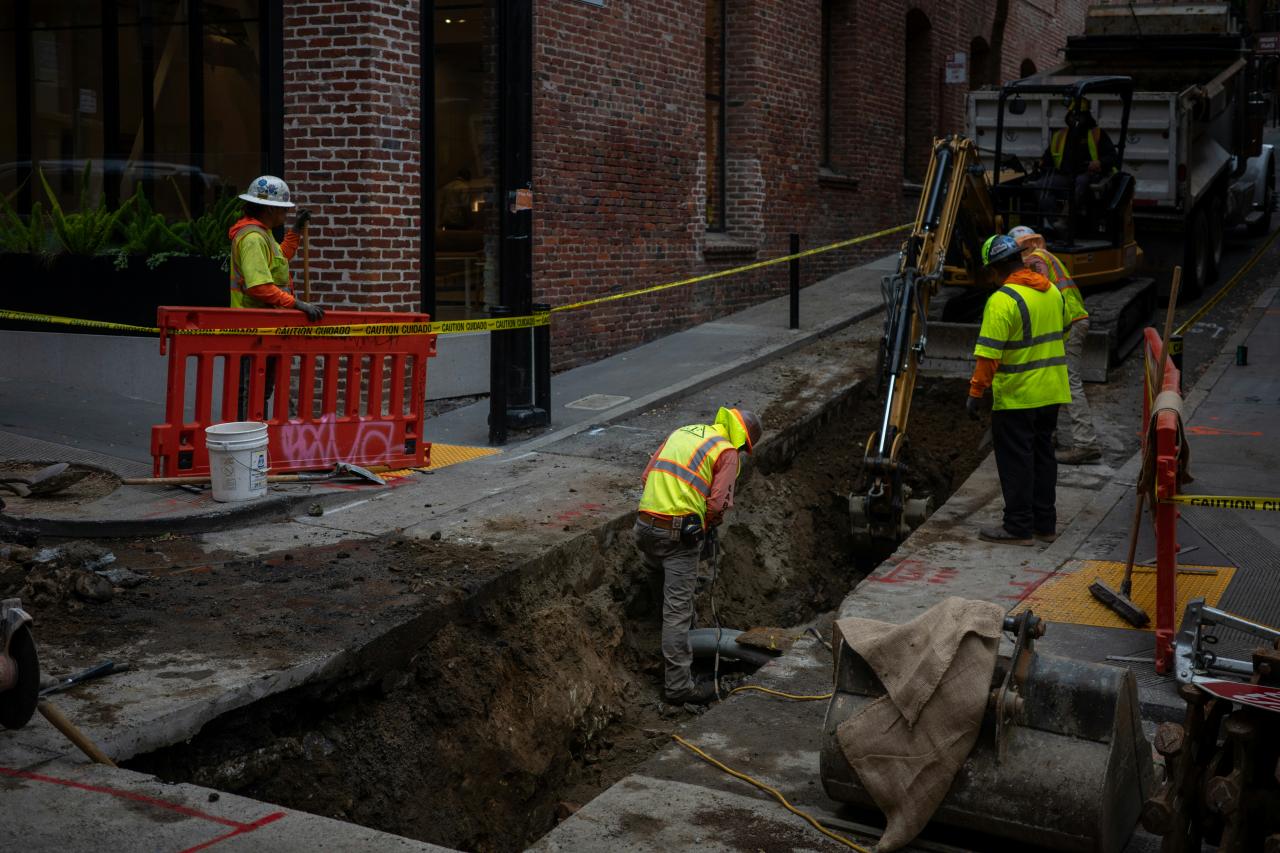
Working near heavy machinery, busy traffic zones, or low-light indoor areas requires high-visibility clothing to keep workers clearly visible.
Modern safety vests and jackets feature fluorescent colors and retroreflective striping that catch light from vehicle headlights and floodlights instantly. Smart wearable sensors integrated into safety gear monitor worker heart rates, body temperatures, and sudden fall impacts in real time.
Connected safety systems alert site managers immediately when a worker experiences severe heat stress or suffers a dangerous fall. Combining high-visibility materials with smart sensor technology creates a proactive safety network that saves lives during unexpected site emergencies.
Wash high-visibility vests using mild detergents and air-dry them to preserve the reflective brightness of the safety striping over time. Replacing worn, faded safety vests guarantees that machinery operators can spot pedestrian workers from safe distances.
Conclusion
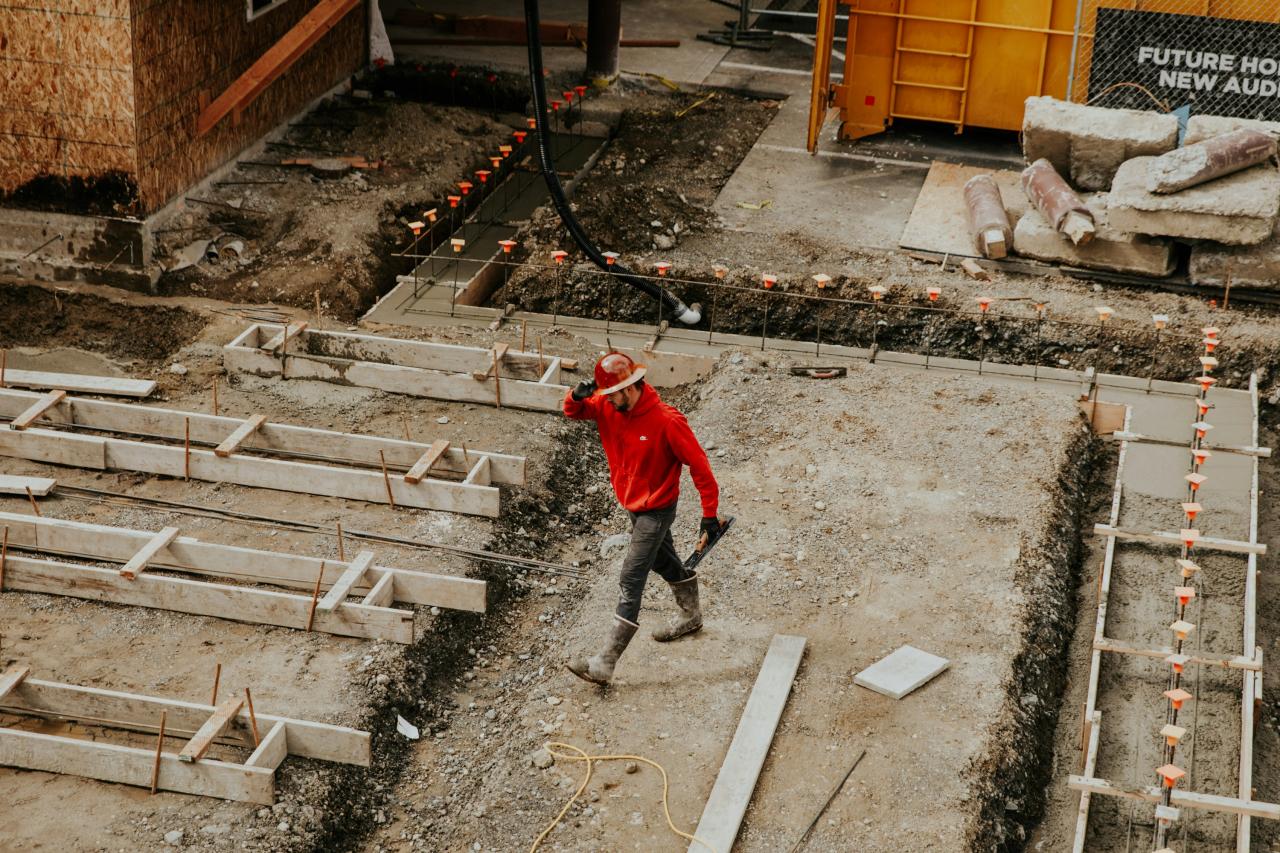
Equipping construction crews with advanced jobsite safety gear is essential for preventing severe injuries and building a reliable, productive workforce. Modern protective helmets, clear eye protection, and advanced respirators shield workers from constant environmental hazards on active job sites.
High-performance cut-resistant gloves and high-visibility apparel keep workers safe when operating heavy machinery or handling sharp building materials.
Investing in ergonomic safety equipment protects worker health, reduces costly medical leaves, and keeps complex construction projects moving forward on schedule. Prioritizing worker safety fosters a strong security culture that elevates overall team performance across every project.
Adopting modern safety gear transforms high-risk job sites into well-managed, secure working environments where workers thrive every day. Upgrading outdated protective gear with lightweight, breathable materials ensures workers wear their safety equipment willingly throughout entire shifts.
Simple habits like inspecting safety gear daily and storing equipment in clean places prolong tool lifespans significantly.
Combining top-quality personal protective gear with thorough safety training maximizes job site defense against unexpected operational accidents. Upgrade your team’s safety equipment today to protect your workforce, prevent painful injuries, and achieve flawless project execution.


